1. Introduction to Luxury
Luxury is a term that resonates deeply across cultures and socioeconomic backgrounds. In modern society, it often signifies more than just the expensive or high-quality; it encompasses an entire lifestyle that embodies comfort, exclusivity, and indulgence. As tastes evolve and consumer behavior shifts, the concept of luxury has also seen significant transformations. Today, luxury is a multifaceted notion, rooted in personal preferences and societal values that continually redefine what it means to live luxuriously.
1.1 Defining Luxury in Contemporary Society
Defining luxury can be a complex endeavor. Traditionally, luxury goods were categorized as items not essential for survival but rather for enjoyment and prestige. In contemporary terms, luxury has expanded to include experiences, services, and the emotional connections that consumers establish with brands. Luxury isn't merely about possession; it embodies the art of living well, often characterized by the quality of materials and craftsmanship, the rarity of product availability, and the prestige associated with brand heritage.
1.2 The Economic Impact of Luxury Goods
The luxury market contributes significantly to global economies. According to various economic studies, luxury goods account for a considerable portion of consumer spending, sparking job creation, supporting artisan crafts, and driving high-end retail growth. The demand for luxury products is largely driven by affluent consumers, whose spending habits tend to increase as their incomes rise. This economic principle illustrates the concept of luxury goods as defined in economics: products for which demand increases more than proportionality as income rises.
1.3 The Evolution of Luxury Consumption
The evolution of luxury consumption can be traced back through the ages. Historically, luxury was synonymous with exclusivity reserved for the elite classes, with royal families and the aristocracy leading the way in opulence. The Industrial Revolution democratized luxury to some extent, enabling a broader segment of the population to access luxury goods. Today, the rise of globalization and digital commerce continues to reshape the landscape of luxury, with consumers from diverse backgrounds exploring various products through online platforms, thus redefining access and desire.
2. Characteristics of Luxury Goods
2.1 Key Attributes that Define Luxury
Luxury goods possess several distinctive characteristics that set them apart from ordinary items. These attributes often include:
- Quality: Luxury goods are typically crafted from superior materials with exceptional attention to detail. This quality assures longevity and reliability.
- Scarcity: Limited availability enhances the desirability of luxury goods. Brands often employ strategies that create an aura of exclusivity.
- Heritage: Many luxury brands boast rich histories that enhance their prestige, often rooted in tradition and artisanal craftsmanship.
- Experiential Value: Luxury brands prioritize the customer journey, offering personalized services and creating memorable experiences.
2.2 Case Studies: Iconic Luxury Brands
Examining iconic luxury brands like Louis Vuitton, Chanel, and Rolex provides insight into how these companies maintain their elite status. Each brand utilizes a unique blend of marketing, craftsmanship, and consumer engagement to solidify its position in the luxury market. Louis Vuitton, for instance, capitalizes on its historical narrative and innovative designs, stimulating demand for its products while emphasizing brand loyalty and cultural significance.
2.3 How Luxury Enhances Consumer Experience
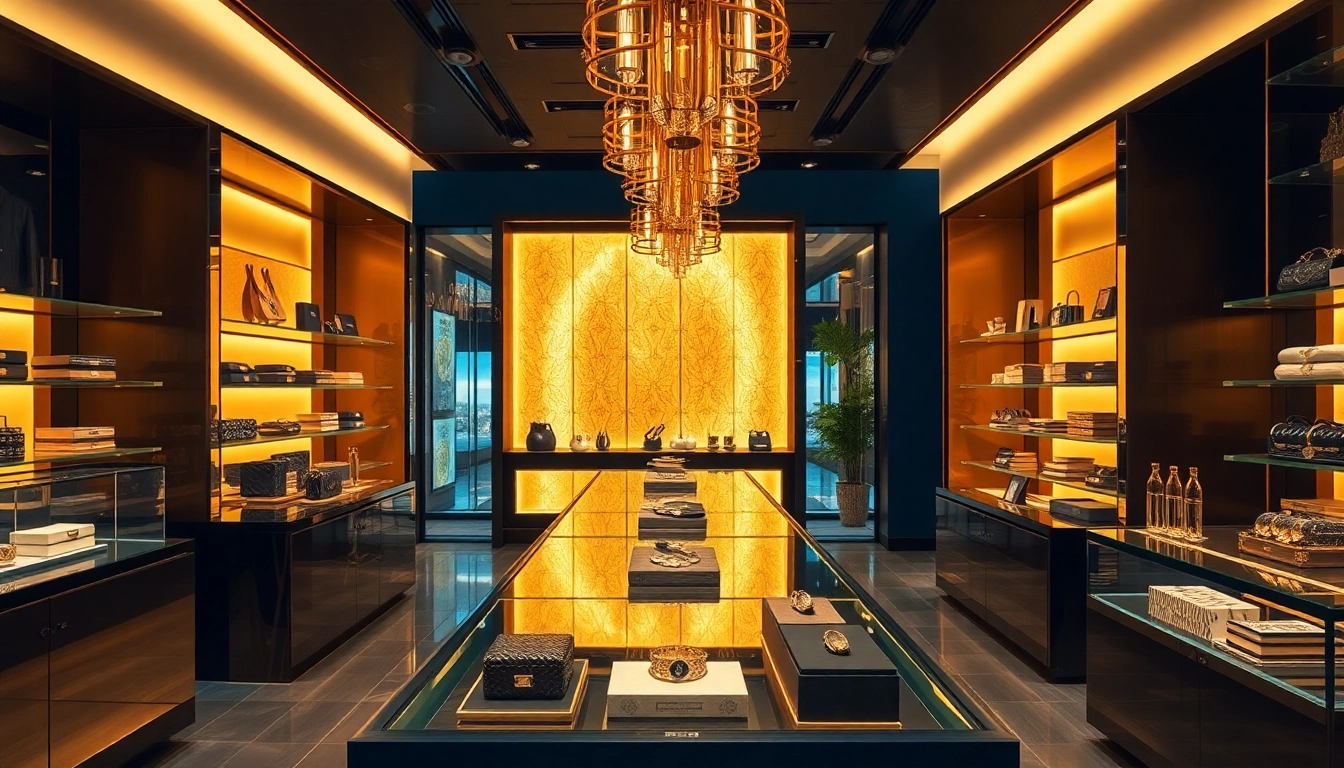
Luxury consumption is not purely transactional; it is an experience. Luxury brands curate environments that elevate the act of purchasing beyond the mere exchange of goods. They create sophisticated boutiques, exceptional customer service, and exclusive events that foster a sense of community among consumers. This holistic approach reinforces emotional connections with consumers, promoting brand loyalty and continuous engagement.
3. The Psychology Behind Luxury Purchases
3.1 Motivations for Buying Luxury
Understanding the psychological motivations behind luxury purchases is crucial in luxury marketing. Consumers often buy luxury items as a means to signify success, empowerment, and personal achievement. The act of ownership can evoke feelings of happiness and satisfaction, providing a psychological reward for the consumer.
3.2 Social Status and Luxury Consumption
Social status plays a significant role in luxury consumption. Luxury goods often convey wealth, power, and prestige in social contexts. Consumers purchase luxury items not only for personal enjoyment but also to signal their social standing to others. This intertwining of luxury and status creates a competitive landscape where consumers may feel compelled to consistently upgrade their luxury possessions.
3.3 Luxury and Personal Identity
Luxury consumption also intertwines with self-identity. Many consumers view luxury goods as extensions of themselves, using them to express individuality and personal style. The way luxury brands resonate on an emotional level fosters a sense of identity that is often aspirational. This personal connection can significantly influence purchasing decisions and brand allegiance.
4. Trends Influencing Luxury Markets
4.1 Digital Transformation in Luxury Shopping
The luxury landscape is experiencing a digital renaissance. As online shopping becomes the norm, luxury brands are embracing e-commerce strategies to enhance customer experience. Brands like Gucci and Balenciaga offer virtual reality shopping experiences, blending online and offline settings to meet evolving consumer expectations. The digital transition not only broadens market access but also allows for innovative customer engagement through social media channels.
4.2 Sustainability Within Luxury Brands
As environmental awareness rises, sustainability has become a critical trend influencing the luxury market. Consumers are increasingly drawn to brands that demonstrate corporate social responsibility. Luxury brands are responding by adopting sustainable practices and transparency, engaging in eco-friendly production methods, and promoting ethical sourcing of materials. This shift towards sustainability allows luxury brands to connect with a conscientious consumer base while reinforcing their reputation positively.
4.3 The Rise of Second-Hand Luxury Goods
The burgeoning market for second-hand luxury items reflects changing consumer attitudes. Platforms like The RealReal and Vestiaire Collective allow consumers to buy and sell pre-owned luxury items, promoting sustainability while offering access to exclusive goods at reduced prices. This trend underscores a cultural shift towards valuing experiences over possessions, as consumers now celebrate vintage and rare finds. This marketplace allows brands to engage with a broader demographic, enhancing brand visibility and fostering community through shared interests in luxury.
5. Conclusion: The Future of Luxury
5.1 Predictions for the Luxury Market
As we look to the future, the luxury market is poised for continued transformation. Factors such as technological advancements, shifting consumer preferences, and global economic conditions will shape the landscape. Brands that prioritize adaptability and innovation while remaining true to their heritage will likely succeed in resonating with discerning consumers.
5.2 The Importance of Authentic Luxury Experiences
Authenticity will remain paramount as consumers seek genuine connections with brands. Luxury brands must commit to delivering authentic experiences that align with their values and the desires of their target demographic. This approach fosters trust and loyalty, allowing brands to thrive amid intense competition.
5.3 Building Lasting Relationships with Luxury Consumers
Establishing and nurturing relationships with luxury consumers will be crucial to long-term success. Luxury brands need to foster engagement beyond mere transactions by creating communities and experiences that resonate emotionally with consumers. By focusing on storytelling and personal connections, luxury brands can ensure they remain relevant and cherished in an ever-evolving market.