
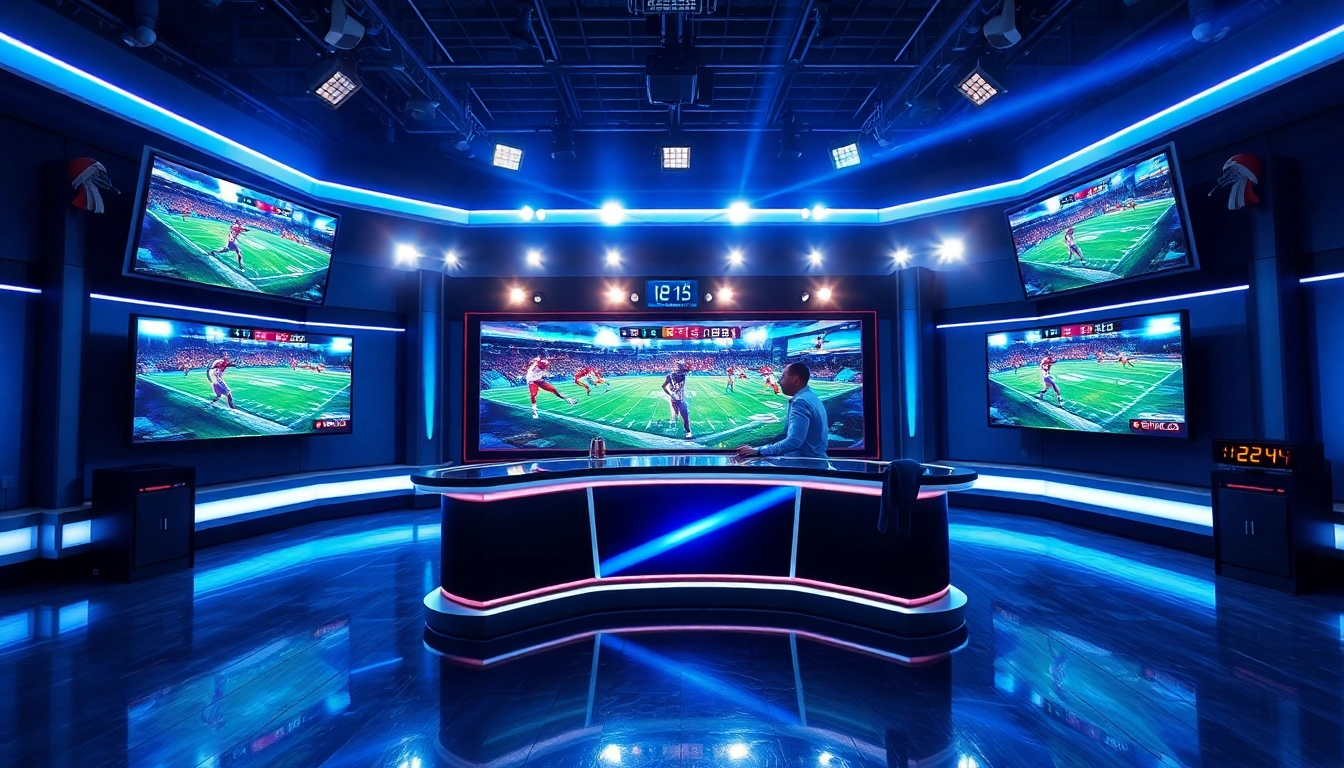
Understanding Sports Broadcasting
What is Sports Broadcasting?
Sports broadcasting is the process of transmitting live and recorded sporting events to audiences via various media platforms, including television, radio, and online streaming services. It serves as a vital component of the sports industry, allowing fans to follow their favorite teams and athletes from anywhere in the world. The rise of technology has significantly altered the landscape of sports broadcasting, expanding its reach and changing how content is delivered. By presenting real-time action, analysis, and commentary, Sports Broadcasting fosters deep connections between the audience and the sport itself.
History and Evolution
The roots of sports broadcasting trace back to the early 20th century, when radio stations began to air live sports commentary, captivating audiences with play-by-play coverage of major events. The transition to television in the 1950s brought a new dimension, allowing viewers to watch live events unfold on their screens. Iconic moments, such as the 1958 NFL Championship game, exemplified the power of visual broadcasting and its ability to draw massive audiences.
As technology advanced, so too did broadcasting methods. The advent of satellite and cable television in the 1980s ushered in increased access and higher quality broadcasts. The digital revolution in the 2000s further transformed the sector, with the introduction of online streaming platforms and social media reshaping how audiences consume sports content. Today, viewers can engage with live performances across multiple devices while interacting with real-time statistics, analysis, and opinions.
Importance in Modern Media
The significance of sports broadcasting in today’s media landscape cannot be overstated. It plays a crucial role in generating revenues for sports leagues, teams, and broadcasters through advertising, sponsorships, and subscription fees. Moreover, sports broadcasting cultivates a culture of fandom, connecting millions of viewers across diverse demographics and geographical locations.
In addition, broadcasting rights have evolved into a lucrative market, where sports leagues negotiate multi-billion dollar deals with networks to air their events. This financial influx propels the growth of sports infrastructure, enhances player salaries, and supports community outreach initiatives. As a result, broadcasting has become a fundamental aspect of the sporting experience, both for fans and stakeholders alike.
Key Components of Sports Broadcasting
Types of Sports Broadcasting
Sports broadcasting can be categorized into several types, each serving a distinct purpose and audience. Live broadcasting is the most prominent form, delivering real-time commentary and coverage of events as they unfold. This style captivates audiences through excitement and immediate engagement.
On-demand broadcasting, such as highlights, replays, and recorded segments, allows audiences to access content at their convenience. These formats include recap shows, interviews, and analysis segments. Digital media platforms have also led to the emergence of niche sports broadcasting, catering to specific audiences and interests—from eSports to extreme sports, the landscape continues to diversify.
Technical Equipment Essentials
The effectiveness of sports broadcasting relies heavily on technical equipment. Key components include cameras, microphones, broadcasting software, and editing tools. High-definition cameras capture the action, while drone technology offers unique aerial views of large events.
Sound quality is paramount, necessitating high-quality microphones and mixing equipment. Broadcast trucks, often seen at live events, contain the technical infrastructure required to transmit signals to viewers. As technology progresses, 4K and 8K broadcasting are becoming more mainstream, promising even clearer visuals that enhance viewer experiences.
Role of Commentary
Commentary serves as the narrative of sports broadcasting, guiding viewers through the experience. Commentators provide play-by-play descriptions, analysis, and insights that enhance understanding and enjoyment. The effectiveness of commentary often hinges on the commentator’s ability to engage the audience, maintain energy, and impart knowledgeable insights about the sport.
Some commentators specialize in offering statistical analysis, while others are skilled in storytelling to create a more compelling experience. Engaging dialogue often elicits emotional responses from fans, increasing the overall appeal of the broadcast.
Strategies for Effective Sports Broadcasting
Engaging the Audience
Engagement strategies are essential for retaining viewership and expanding audience reach. Utilizing interactive elements such as polls, live questions, and social media integration can foster real-time audience involvement. Broadcasters should encourage viewers to participate by inviting them to share opinions or respond to on-screen graphics.
Additionally, creating engaging pre- and post-game content—such as expert analyses, player interviews, and fan reactions—allows broadcasters to cultivate a robust community. Storytelling through highlights, behind-the-scenes footage, and personal player narratives creates emotional connections that draw viewers in.
Using Social Media
Social media has emerged as a powerful tool for sports broadcasting, enabling broader reach and deeper engagement. Platforms such as Twitter, Instagram, and TikTok facilitate sharing of highlights, behind-the-scenes moments, and real-time commentary, creating an interactive sports experience. Broadcasters can leverage these platforms to provide live updates, foster discussions, and create viral moments that engage audiences beyond traditional viewing hours.
Social media also presents an opportunity for influencers and sports personalities to connect with fans directly. Collaborations with these figures can create dynamic and authentic content that attracts new viewers and sustains long-term engagement.
Content Planning and Production
Effective content planning is essential for successful sports broadcasting. Broadcasters should establish a comprehensive content calendar that outlines key events, production schedules, and promotional strategies. Identifying target audiences and tailoring content to their preferences can greatly enhance viewer satisfaction.
Collaboration among producers, technical teams, and on-screen talent is crucial to ensure seamless delivery. Regular planning meetings can help align goals, brainstorm innovative ideas, and address potential challenges effectively. Using project management tools can streamline workflows and ensure everyone is informed and prepared.
Challenges in Sports Broadcasting
Dealing with Technical Difficulties
Technical difficulties can greatly impact the quality of sports broadcasts. Equipment failures, connectivity issues, and software glitches can lead to interruptions and dissatisfaction among viewers. To minimize these challenges, it’s vital to conduct thorough pre-event testing and maintain backup equipment to ensure uninterrupted coverage.
Training staff on how to troubleshoot common technical issues can also mitigate disruptions. Maintaining effective communication between on-site teams and control rooms is crucial for a smooth broadcasting experience.
Balancing Commercial Interests
As sports broadcasting evolves, striking a balance between commercial interests and content integrity is crucial. Commercial pressures can lead to excessive advertising interruptions, which may detract from the viewer’s experience. Broadcasters must aim to establish a balance where advertising enhances rather than detracts from the viewing experience.
Developing partnerships with sponsors that align with the audience’s interests can result in more seamless integration of ads. Innovative advertising formats, such as branded content and integrated sponsorships, can enhance the viewer experience without compromising the integrity of the broadcast.
Adapting to Audience Preferences
With the advent of new technologies and changing viewer habits, sports broadcasters face the challenge of continuously adapting to audience preferences. Trends such as binge-watching, mobile viewing, and demand for personalized content necessitate an agile approach to broadcasting.
Data analytics can play a pivotal role in understanding audience behavior and preferences. Utilizing insights gained from viewer engagement metrics allows broadcasters to fine-tune strategies and tailor content to meet evolving expectations. Listening to audience feedback and adapting accordingly fosters loyalty and enhances the overall viewing experience.
Future Trends in Sports Broadcasting
Innovations in Technology
As technology continues to advance, innovations such as augmented reality (AR) and virtual reality (VR) are poised to revolutionize sports broadcasting. These immersive experiences can transport viewers to the heart of the action, granting them unique perspectives and interactive features that enhance engagement.
AI-powered analytics will further elevate broadcasting by providing real-time insights, tailored content suggestions, and predictive modeling. By harnessing the power of big data, broadcasters can deliver dynamic and responsive experiences that resonate deeply with audiences, keeping them engaged long-term.
Interactive Broadcasting
The future of sports broadcasting lies in interactivity. Fans are increasingly seeking ways to personalize their viewing experiences and engage directly with games and events. Broadcasters are adopting technologies that allow audiences to choose camera angles, access player statistics on demand, and engage with interactive graphics.
This shift toward interactivity not only enhances viewer enjoyment but also paves the way for new revenue streams through subscription offerings for premium interactive features. As audiences demand more agency in their viewing experiences, broadcasters must adapt to provide innovative options.
Predictions for the Next Decade
In the coming decade, sports broadcasting is expected to evolve significantly. Key predictions include increased focus on personalized viewing experiences, greater use of automation in production, and the expansion of international rights deals as globalization continues to reshape the industry.
Moreover, advancements in streaming technology will likely result in enhanced viewing experiences through superior playback options, reducing latency and buffering. As evolving viewer preferences continue to drive innovation, broadcasters must remain agile and responsive to ensure they remain at the forefront of the industry.
Frequently Asked Questions
What types of media are involved in sports broadcasting?
Sports broadcasting involves various media channels, including television, radio, internet streaming, and social media platforms to distribute content to audiences.
How do sports broadcasters generate revenue?
Revenue is generated through advertising, sponsorships, subscription fees, and broadcasting rights negotiated with sports leagues and teams.
What technological innovations are changing sports broadcasting?
Key innovations include augmented reality, virtual reality, AI analytics, and enhanced streaming technologies that improve viewer engagement and experience.
How can broadcasters enhance audience engagement?
Broadcasters can enhance engagement through interactive elements, social media integration, and compelling storytelling that resonates with the audience.
What challenges do sports broadcasters face today?
Challenges include dealing with technical difficulties, balancing commercial interests, and adapting to rapidly changing audience preferences.